Author: Tristan Webb | 5 min read | July 19, 2026
What’s The Difference?
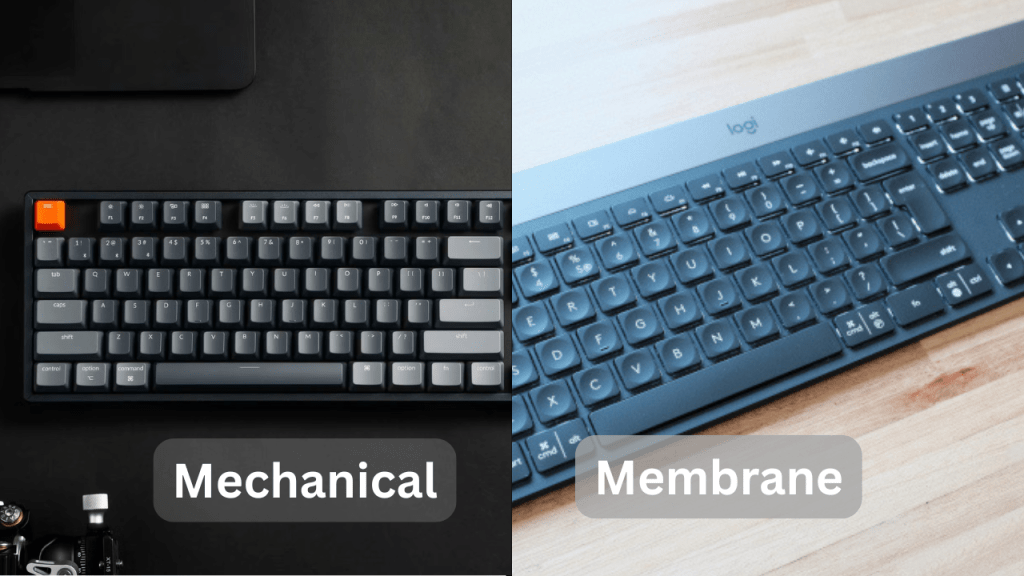
The difference between the two variations of keyboards can be significant. Mechanical keyboards are known for tactile feedback, high durability and retail for a high price. While membrane keyboards are usually cheaper and have lower durability and less typing feedback.
However, to make a proper judgement between the both of them we need to dig deeper into this and compare the pros and the cons of each of these keyboard variations. While finding out which is best suited for your needs.
What Is a Mechanical Keyboard?
Mechanical keyboards are fitted with spring-loaded switches under each individual key. Unlike membrane keyboards they provide distinct tactile audible feedback that confirms keypresses. These keyboards can be fitted with a multitude of different switches.
These switches range from linear, tactile or clicky switches. They all share a unique typing experience and come down to your own personal preference.
Mechanical keyboards however are known for the durability after long durations, typing experience, customization from keycaps, switches and even lighting. They are also known for features like anti-ghosting which is beneficial for gaming.
Another factor is if you are wanting to customise these keyboards it is easy to remove the keycaps and if you have a hot-swappable keyboard also the switches also without a high risk of breaking the keyboard in the process.
While mechanical keyboards are highly recommended they do have cons. Mechanical keyboards can be significantly more expensive when in comparison to a membrane keyboard. Prices range from $200 – $600 depending on the brand, size, quality and features. Mechanical keyboards can also be heavier and louder than membrane keyboards.
Note: Remember when purchasing a mechanical keyboard if you are looking at customizing your keyboard or modifying it. Makes sure you read the fine print and get a hot-swappable keyboard, so you do not have to solder the key switches back into place.
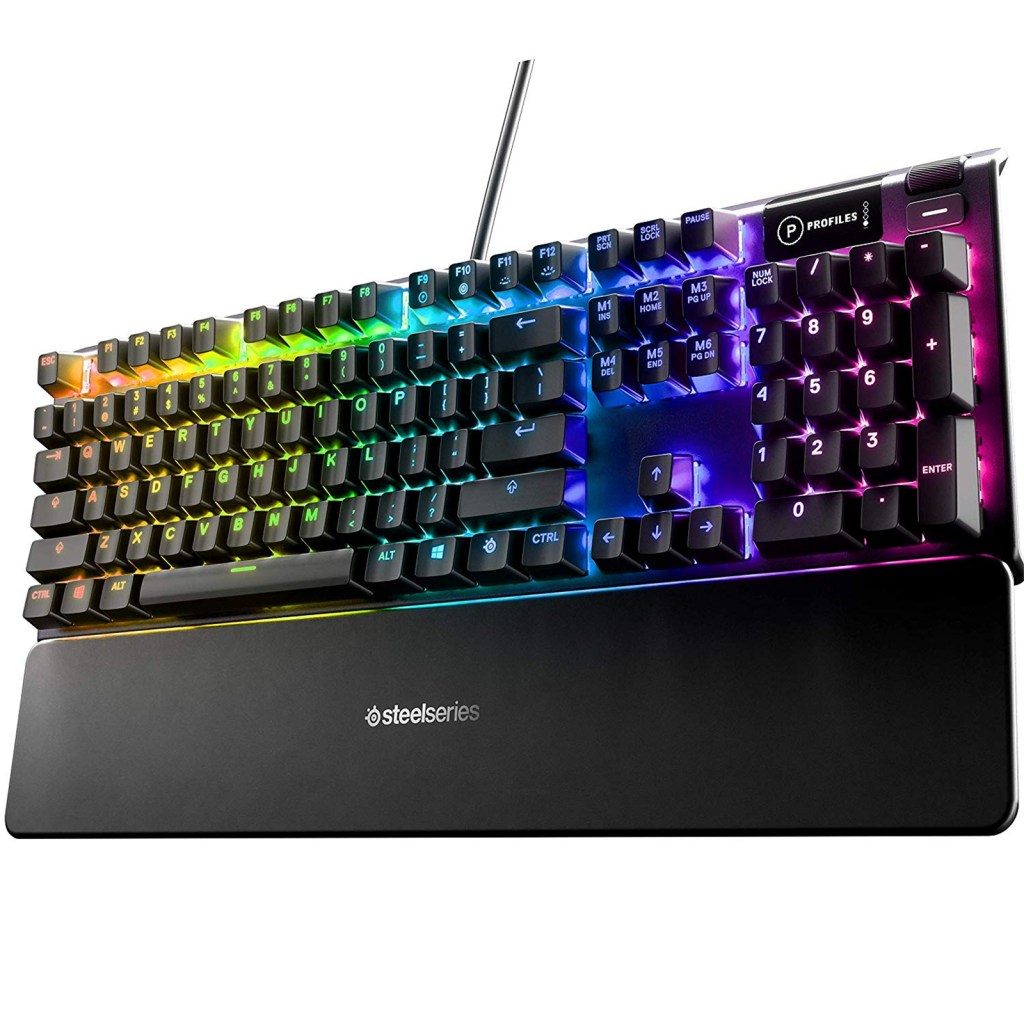
Pros
- High build quality
- Switch variation
- Fantastic typing experience
- Great for gaming
- Can be modified
- Easy to clean
Cons
- Expensive ($200 – $600)
- Louder
- Larger size
What Is a Membrane Keyboard?
Membrane keyboards differ vastly from mechanical. They use three main layers within their switches. A top membrane with conductive traces, middle spacer layers with holes and a bottom membrane also containing conductive tracers. When a key is pressed the actuation makes contact with the bottom membrane completing a circuit and sending a keystroke signal to your computer. Unlike the mechanical which relies solely on actuation from a switch and spring.
Main advantages of the membrane keyboards are that they are lightweight and portable due to simple construction and are way cheaper than what mechanical keyboards are. Membrane keyboards can rang from $50 – $200 depending on the brand.
Membrane keyboards are quieter than mechanical keyboards significantly and are great for office usage or shared environments. An additional bonus is that they are more resistant to dirt and liquids which makes them perfect for practical everyday usage and cheaper to replace.
Although membrane keyboards are great for office usage and cheaper they do have major drawbacks. The significant con is the shorter lifespan which is typically rated between 5 – 10 million keystrokes and not worth replacing. Another is the typing experience unlike mechanical keyboards they have less tactile feedback and can feel “mushy” when typing which reduces typing speed and accuracy for some people.
Membrane keyboards also have a major issue which is a slower response time in comparison to mechanical keyboards. This is due to the pressure sensitive design when a key is pressed. Another issue is when it comes to cleaning. It is way harder to remove the keys and clean around them and due to the lower build quality when removing keys to clean comes with the possibility of breaking the membrane switch registering the membrane keyboard as nonfunctional.
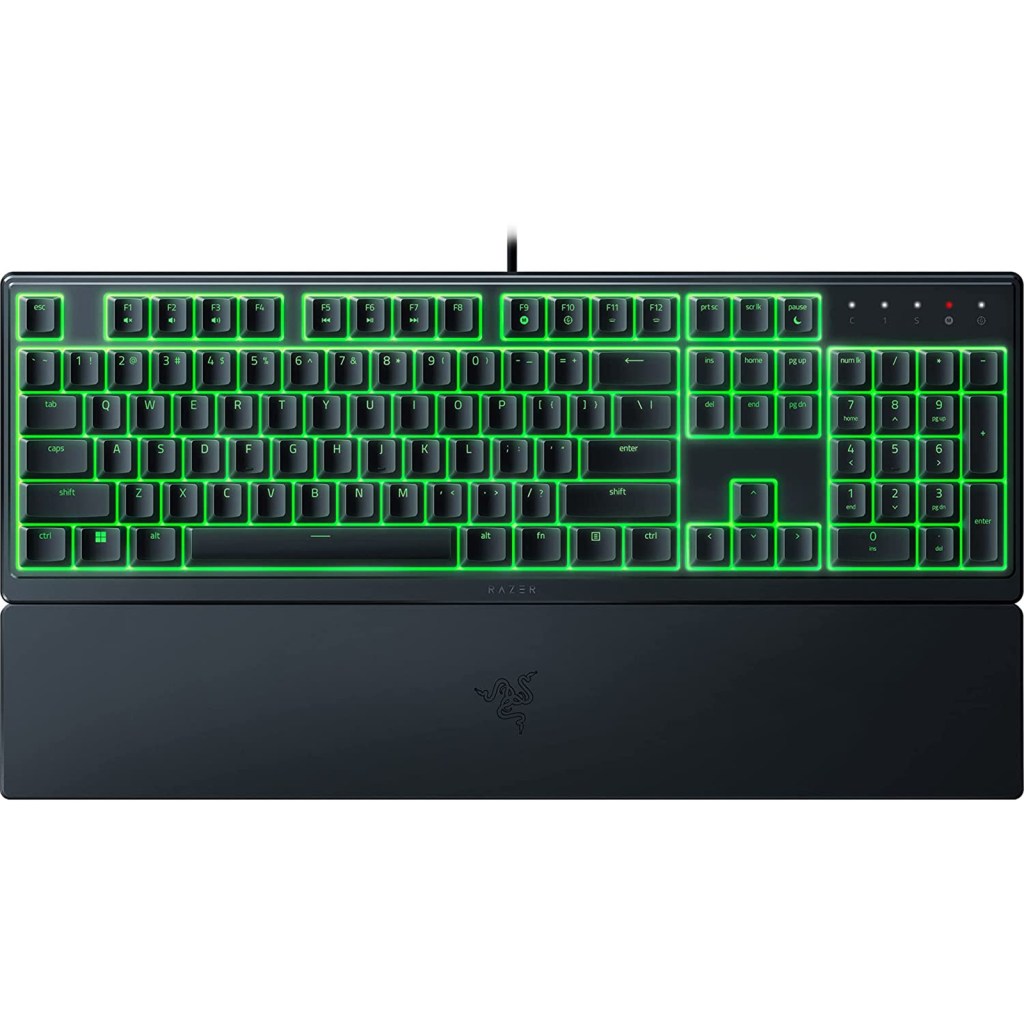
Pros
- Affordable
- Quieter
- Slim and lightweight
- Higher spill resistance
Cons
- Lower quality
- Shorter lifespan
- Cheaper typing experience
- Slower response time
- Harder to clean
Note: From my personal experience, I will always choose mechanical keyboards. Yes, they can be far more expensive than membrane, but they last significantly longer and are great for multi-use. If you are a gamer, you will know membrane keyboards are not great for competitive play whereas mechanical in my humble opinion it’s better to fork out the funds for a mechanical keyboard which you can customise and modify rather than spending money on 1-2 membrane keyboards per year.
Which One Should You Buy?
When it comes to buying a mechanical keyboard or a membrane keyboard. They both have their pros and cons. However, it comes down to what your using the keyboard for.
If you are using a keyboard for a work environment in an office or a shared space it would be highly recommended to purchase a mechanical keyboard from a reputable brand. It will be less expensive, and you won’t annoy your coworkers when typing for long hours of the day. If you are looking to use this for gaming or home hobbies like video editing and want something for longevity.
I would highly recommend you invest the money into a mechanical keyboard. This will provide you with value for your money and will last you far longer than what a membrane keyboard will. Overall, it entirely depends on what the purpose of its use is and what your budget is.
Note: If you are worried about the price of a mechanical keyboard, I have made a related blog where I listed mechanical keyboards for under $100 dollars.
 TechWithTristan
Leave a comment